Renowned anthropologist looks at root causes of male violence
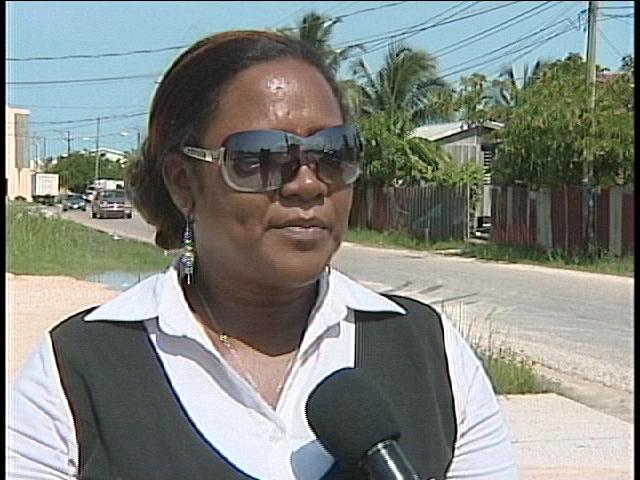
nelma mortis
It was not so long ago that an arrest would be made for a violent murder and society would rest well. That has now changed and now within three months if suspects aren’t released, within a year the case would fall apart and become another unsolved murder. On the flip side, Belizeans have become wary of quick arrests that go nowhere, and everyone in society knows by now the meaning of Nolle Prosequi, which is often heard right before accused criminals walk free. While Operation Jaguar is set on removing weapons and deterring crime on the streets, others like the Belize Grassroots Youth Empowerment Association held its own town hall style meeting on Tuesday night to outline a citizen’s action plan to keep the streets safe. But what causes male social participation in violence in urban Belize? A research by the same name has been collecting data on that issue. According to Nelma Mortis, an Education Officer, to fix the problem, her department has been working with Dr. Herbert Gayle, an anthropologist of social violence, to get to the core of the problem.
Nelma Mortis, Education Officer, Belize District Manager, Research Project
“Actually we continue the process of collecting data at the community level. So far we, the research is a very comprehensive research. While the school is the core of the study, we still need to triangulate the information we have gathered from the schools with that of the community and the Kolbe prison along with the police department, with what we have done at this time, we are collecting data from the community.”
Jose Sanchez
“The stakeholders that you met with today, who are they?”
Nelma Mortis
“The stakeholders that we have joined a partnership with, I must stress it is an applied research with a participatory approach or a participatory methodology. While people are analyzing their situations within their community, they are also being empowered to somewhat recognize what is the need in their community. That is one of the major strength of the research. Since today we have collected data from the Belizeans for Justice group, we have had the media, and at present we are with the east Indian and Chinese associations.”
Jose Sanchez
“When you look at the whole participation of males in violence, what are the main points that you hear people keep repeating?”
Nelma Mortis
“One is definitely the family structure, the breakdown of family structure. In addition to that, which has an extension of many other things, and I shouldn’t be revealing the information as such so I will just lay them by themes, one is poverty and of course, the other one is a serious breakdown between the youth and the police department.”

Research in Belize, it’s tough. This sort of study is tough and requires a high level of competence on the part of the local collaboraters. I’m happy this approach is being taken, it’s a positive step forward. However, I hope that more careful interpretation is applied, because when one uses the word “triangulate” entirely wrong in ones interview, people may be a little concerned about the level of competence. But I like the step, more power to the research!
I agree with the breakdown of family structure, poverty and breakdown between the youth and police dept.
Another important factor not discussed—- WHY are the youths SO ANGRY ? and Anti Establishment ? If these questions are not answered, all the research; collected data and hired experts will be in vain.
the youth, the researcher say, are angry because of the violence their experience or witness first-hand from an early age – whether physical or emotional violence, sexual violence, the threat of violence, or the actual slaying of their friends and family members due to gun violence. they are angry because the educational system is not meeting their needs, nor is there an infrastructure for them to handle the violence they are exposed to.