Cases of dengue on the rise
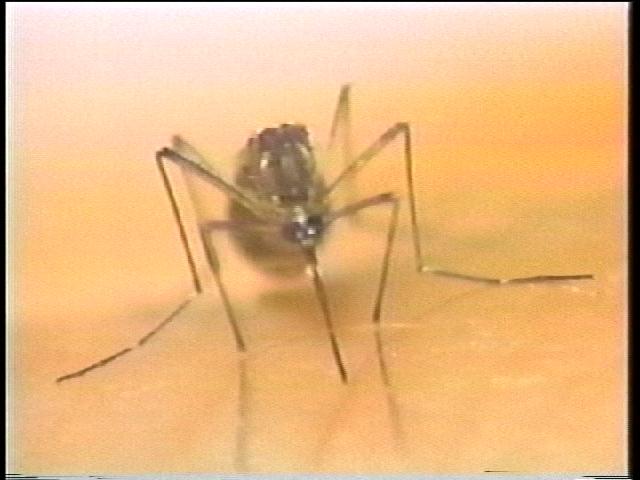 Cases of dengue also known as break-bone fever are usual for this time of the year because of the large quantity of mosquitoes that breed during the rainy season. We got confirmation from the Director of Health Services, Doctor Michael Pitts, that there was one confirmed case and five suspected cases showing up at the Karl Heusner Memorial Hospital and there are also reported cases in the districts. We went looking for ways to avoid catching this potentially deadly virus. Senior Public Health Inspector, Mark Bernard, says all it takes is a little time and some civic pride, especially at this time of year.
Mark Bernard, Senior Public Health Inspector
“The rainy season has started and usually when the rainy season starts, we begin to see increases of dengue. Dengue is endemic in Belize; meaning that it’s going to always be here once thee condition is right. The bad part of dengue so to speak is that there is no cure for it. It’s just a cure to take care of some of the signs and symptoms. I would like to advise people to take the necessary precaution. We cannot expect that the spraying that we do will control the mosquito and solve the problem for us. The public needs to do their part and one of the main things is to control the breeding sites because if we reduce the number of mosquitoes that are hatched, so the adult population will decline.”

mark bernard
Marion Ali
“How do you decrease the population?”
Mark Bernard
“We do that by first of all not allowing stagnant water around the yard because mosquitos breed in water. The particular mosquito that causes dengue likes fresh water, so we need to cover our vats that we catch water, we need to remove the tires, the bottles, the cans, the coconut husks, anything that can hold water, refridge, if you have a boat, so these are the things that the public can do, screen your houses to prevent the entry of mosquitoes is also something.”
People who are affected by a severe fever, rashes, and pain in the joints are advised to seek medical attention. There is no cure for dengue so the more times you catch the virus it increases the potential for developing the hemorrhagic type, which can be deadly.

The last sentence is a little inaccurate. It’s not that the risk of developing hemorrhagic fever increases with the number of times you catch the virus. There are 4 types of dengue virus – DEN-1, DEN-2, DEN-3 and DEN-4. If you catch one form of the virus, then you are immune to it, so you can’t catch it again or it is unlikely that you will. However, if you catch one form and then subsequently another you are more likely to develop hemorrhagic fever. So if you get DEN-1, then you get DEN-2 you are more likely to get hemorrhagic fever, but it is unlikely you will catch the same virus twice.
The stagnant water and spraying is extremely important, but they always neglect to mention the other risk factors that people should consider. I’ll list them here because I think they are equally as important :
(1) AGE – hemorrhagic fever is ALMOST always confined to children! Greatest susceptibility is between the ages of 8 -10. So parents should be weary of this. Also, breast-feeding babies are at even higher risk! So be careful with the babies.
(2) SEX – The disease occurs more frequently in FEMALES than males. So women should be extra cautious about fly bites/
(3) RACE – ASIAN/caucasian populations have also been found to be more susceptible.
I hope these help! Keep safe fellow countrymen/women.
so what you are saying is if i catch dengue four times, each of the den 1, 2, 3, and 4, i can’t catch dengue again after that? somehow i don’t think so.