Kolbe Foundation gets commendation for management of prison
 The Kolbe Foundation has been running the Hattieville Prison for some eight years. In that time it has faced many challenges and crossed many hurdles, but the fruits of its labour are paying off. Kolbe recently got major props for its rehabilitation program to transform the inmates and prepare them to go back to their communities. News Five Delahnie Bain found out today that a Washington based organization is commending Kolbe for ground breaking work at the Hattieville prison.
Delahnie Bain, Reporting
The Kolbe Foundation’s vision statement reads “To provide a Secure, Humane Facility, geared towards Meaningful Rehabilitation and Successful Re-Integration”. That objective has led them to change prison management and create rehab and education programs for inmates, initiatives for which Kolbe is now being recognized internationally.
Jorge Auil, Chief Executive Officer, Kolbe Foundation
“Prison fellowship International operates in over a hundred countries and for them to recognize us is really an achievement but we shouldn’t just rest on that achievement. We have a lot to go, a long way to travel because prison management is not easy, rehabilitation is not an easy job and we’re proud of the achievement.”
Karen Bodden, Dir., Rehabilitation/Education Progs., Kolbe Foundation
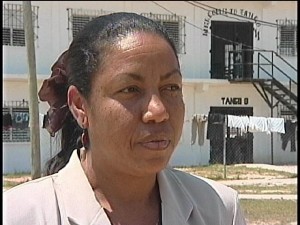
Karen Bodden
“I was like wow, we are being recognized at an international level. But it also brought on another feeling and that other feeling was one of more commitment to the work that we do because are not just interested in international accolades.”
Prison Fellowship International, which is based in Washington DC, operates the Tango One program at the central prison, which runs an intensive rehabilitation regimen.
Karen Bodden
“We offer life skills programs to help our inmates to identify the areas that they need to work on. We also have skill training for those who want to either learn a skill or reinforce a skill that they already have. We have the education program where they actually attend school and prepare themselves for work on the outside in the academic fields. We have an industrial zone where again skill building is the focus on agriculture as well as on woodwork, on carvings and working in the jewelry shop. And so we have a variety of programs based on the needs that we have identified.”
All those components make for a rather impressive program, especially since there was no rehabilitation structure in place before the Kolbe Foundation came into the picture. C.E.O., Jorge Auil and the director of the rehab programs Karen Bodden say reaching a level of international recognition does not mean the end of their efforts.
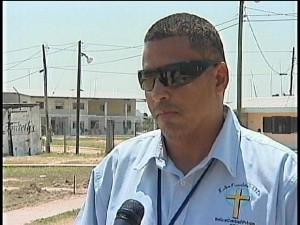
Jorge Auil
Jorge Auil
“It shows that Belize can do exceptional work. We don’t need to look north for quality work. What we’re doing, we’re being—I think we’re on the cutting edge of prison reform, we’re on the cutting edge of prison management and we are an example to the world, to other prisons worldwide so all the staff deserves the credit here for that.”
Karen Bodden
“We’re looking at not just rehabilitation for those individuals who are here with us but incorporating families because you know you can’t work with an individual in the absence of the family because they go back to the family. So we’re actually looking at expanding our programs. We’re also looking at the aftercare component, which at this time, sad to say, is missing. So all the work that we do here, upon release it’s not being continued on the outside in the society.”
As for the inmates themselves, being a part of an internationally praised program is motivating.
Karen Bodden
“I think they were more excited than I was because they were like yeah, it’s not because we deh dah prison dat means we can’t change and I was like that’s the spirit because that’s the true spirit of rehabilitation.”
Delahnie Bain
“So this will motivate them more to be committed to this program.”
Karen Bodden
“It has, it has resulted in their being even more motivated to want to create positive changes for themselves because they are beginning to see themselves not just as a part of the prison population but as a part of the world that they can actually be recognized for the things that they have accomplished in their own lives.”
According to Auil, a positive approach to prison management and bettering the inmates as individuals is key because ninety-eight percent of them don’t stay behind prison walls. Delahnie Bain for News Five.
