Healthy Living: Are you just dizzy or is it a case of vertigo?
 Vertigo is a common problem that afflicts adults. It may be part of the aging process, but can also be a symptom of problems in the ear or brain. Specialist, Dr. Atanascio Cob, says that vertigo is different from dizzy spells experienced by many adults. He tells Healthy Living that a person afflicted with this condition, will have the illusion that the environment is moving.
Marleni Cuellar, Reporting
This is what a person experiencing vertigo feels is happening to them. While being completely still, they may feel that they are moving which is subjective vertigo or their surroundings are moving around them: objective vertigo. It’s most often confused with dizziness; Dr. Atanascio Cob explains the distinction between the two.
Dr. Atanascio Cob, Ear Nose & Throat Surgeon
“It’s different than dizziness which is often confused with vertigo. Dizziness is more a sensation of light headedness a sensation like the patient is going to pass out or faint away. Now vertigo is different it’s the illusion that the person or the environment is moving.”
This illusion of movement is not a condition on its own but merely a symptom of another underlying problem either in the ear or in the brain.
Dr. Atanascio Cob

Dr. Atanascio Cob
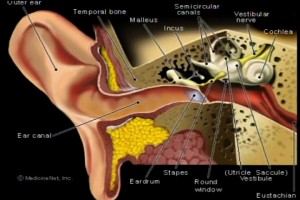
“When we’re talking about vertigo we need to separate from two areas: that is the ear and the brain. So anything that goes wrong in the ear or the brain will cause a sensation of vertigo. Although for that to happen the brain also needs information from different parts of the system. For example the sensory system that is in our knees in our joints in our planter of our feet and also our eyesight is very important for this whole coalition of information for the brain to give us a sensation as to what position we are in. The ear is really, the vestibular segment of the ear is really the organ that has the main function of telling us what position we are in. so problems within these systems can cause vertigo.”
The diagnosis of vertigo includes looking at your clinical history and a thorough physical examination. Making the distinction between vertigo and dizziness and if vertigo exists then establishing the underlying cause.
Dr. Atanascio Cob
“It is very important to find out what is happening the physician is going to determine how serious the condition is if it is something that is self limiting but if it’s a serious condition then it needs to be look after. In the acute phase of the condition where the patient suddenly has symptoms of vertigo. That patient has some other symptoms along with it. For example they cannot focus, so driving is not advised. Your equilibrium is affected as well. If the right ear is affected the person will go to the right side and he will have a feeling like he’s falling down. He can also have a sensation like the heart is beating a little faster.”
 With a proper diagnosis, treatment for vertigo can be offered based on the identified cause.
Dr. Atanascio Cob
“If the problem is an infection we have to find out what kind of infection it is. If it is a bacterial infection we need to treat with antibiotics. If it is a viral infection we use supportive treatment, most of these viral problems are self limiting disease it may take up to six months but it will go away. If the patient has no infection and the patient’s age is above fifty then it can be part of a natural degenerating process where the covering of where little nerve endings are distorted as we’re aging. And that will produce vertigo as well. If it is condition that is very gradual for example over time, months or years, then we need to think about tumors. If the patient also has problem with its articulation, speech, paralysis of his face, problem with his walking then we can think about problems in the brain, brain infarcts, strokes those things can also cause vertigo.”
Any sign or vertigo warrants a doctor evaluation; while it may seem harmless it can be an indicator to a more serious problem in the ear or brain. Either way, treatment may be offered to alleviate symptoms and reduce the risk and discomfort associated with vertigo.
