Cacao Festival stirs up the love of chocolate
 The cacao can be traced back to the Mayas who are known to have discovered how to convert the fruit into chocolate. There are numerous creative ways in which the cacao is now put to use: in ice cream, wines and in chocolate of course. It is primarily grown organically, harvested and processed in farms in the Toledo District and has the potential of becoming one of the top export earners in the south. And that is where the fourth cacao festival took place over the weekend. News Five’s Isani Cayetano and cameraman, Christopher Mangar, were there and have a report.
Isani Cayetano, Reporting
The cacao fruit, a legume that has for millennia been used by the Maya, is the heart of an annual celebration of a time honored tradition in sustainable agriculture. Early records show that this valuable plant has been used by this indigenous race of people for everything from legal tender to its medicinal powers. The Toledo Cacao Fest is the manifestation of the plant and its many uses.
Bartolo Teul, Ya’axche Conservation Trust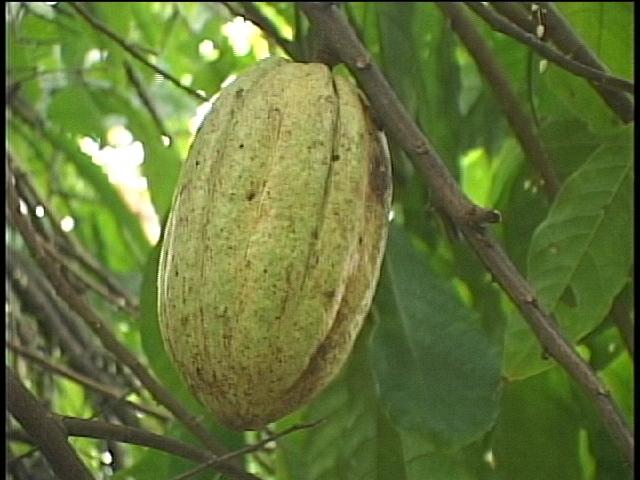
“Indeed the cacao, if you read history, the ancient Mayas used to use it as currency. They used to buy as we use money today. Contemporary Mayas of course, the cacao is still playing a very significant role in their economic development that’s why we think that the cacao industry has very good potential for being one of the major industry or foreign exchange earner for the Toledo District.”
Realizing the economic possibilities of harvesting and processing the cacao bean are a few local businesses that exploit its vast uses as a primary means of income.
Isani Cayetano
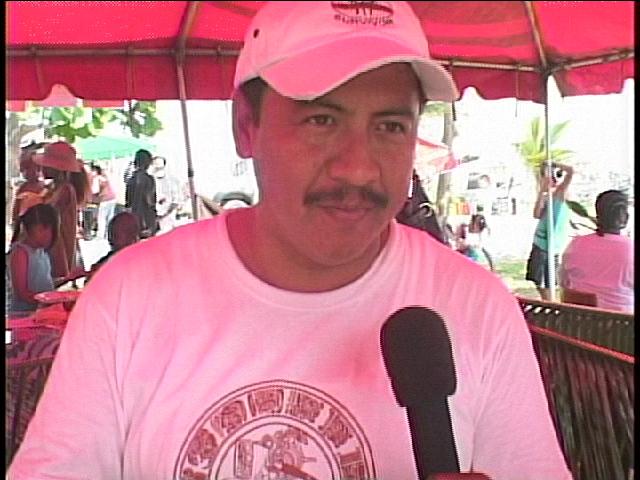
“Of the many uses for the cacao plant there is of course chocolate ice cream. What you may not witness or taste for yourself is that this is totally different from what you’re used to in Belize City. This is actually potent cacao plant being used for ice cream. With me is Mr. Antonio Teul, proprietor of Arianie’s Ice Cream.”
antonio teul
Antonio Teul, Owner, Arianie’s Ice Cream
“We use the cacao, we buy it from the farmers. We buy the—they roast it and so we buy it in a form of how would you say, like massa and then we grind it and put it direct into the ice cream until it get that flavor. So that’s why you can see the little chip on the ice cream right. So for us we’ve been in the business for almost twelve years now and we thank God we’re still here and thanks to our community that they support our business.”
What is seen here today are the results of several techniques that yield wine, chocolate and other products made from the cacao bean. To get a better understanding of how this multipurpose plant is grown and harvested I traveled to a farm in San Felipe Village. There Juan Cho, a local chocolatier, walked me through the process.
Reaping the fruit of the cacao tree is fairly simple but it can be a bit tedious. With a machete I am able to cut down the overhanging pods which are then gathered off the forest floor and placed into a crocus sack. That exercise is repeated until the bag is filled or the entire crop has been harvested. The process, as Cho describes it, is completely eco-friendly.
Juan Cho, Owner, Cyrila’s Chocolates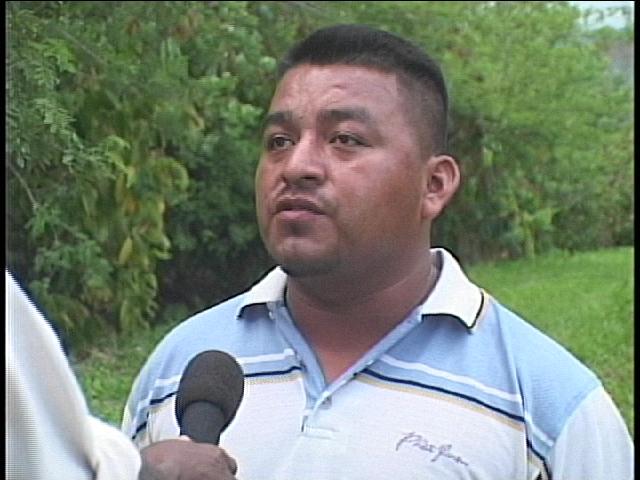
“We look at everything that we harvest from our farm; weeds that we can cut down we leave it on the floor to decompose. And of course the decomposition process is much more highly activated due to the fact that we are blessed with the rains and of course the heat. So these pods that you may look around you will experience leaves on the floor as well that drop off on an occasional basis from our trees, we leave them down to decompose.”
From the pod itself what is coveted is a string of seeds. The kernel is the main ingredient in any form of cacao processing.
Isani Cayetano
“Now, this is not Arianie’s Ice Cream, nor is it Cyrila’s Wines and Chocolates but what I have in the palm of my hand is pure, one hundred percent Maya gold.”
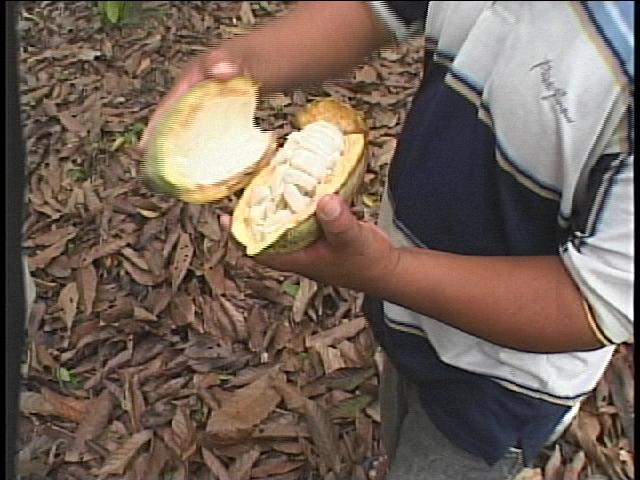 Once dried the seeds are ground using a traditional stoneware tool or in some cases a hand-wound grinder. The deposit is then used in the distillation of premium wines and the manufacture of chocolates. Cyrila’s may not be as big a name as Hershey, Nestle or Lindt but it is ranked among Belize’s finest, the family business is a mainstay at the annual celebration.
Isani Cayetano
“The Cacao Fest, as fledgling it is a particular festival it is the showcase of everything that is manufactured and made from the cacao plant. What I have behind me is an alcoholic beverage made of the cacao plant itself. Relatively mild, what is the potency of this particular drink?”
Juan Cho
“You have somewhere around seven percent of alcoholic, of alcohol content.”
Isani Cayetano
“There you have it. It’s just one drink of many particular products that are made from the cacao plant.”
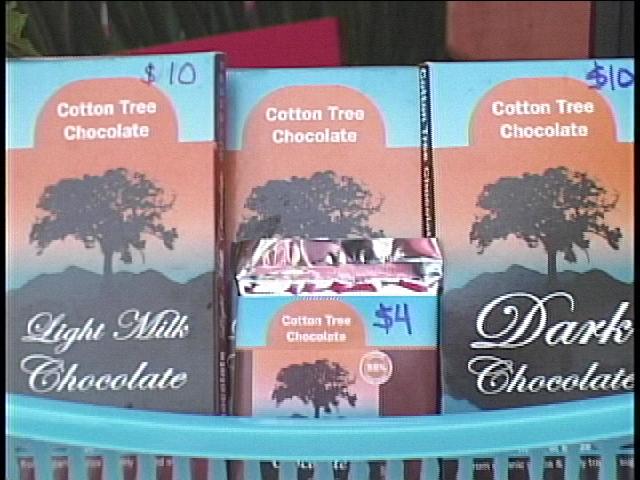
Another player in the local market is Cotton Tree Chocolates, a nominee for 2010’s Small Vendor of the Year award.
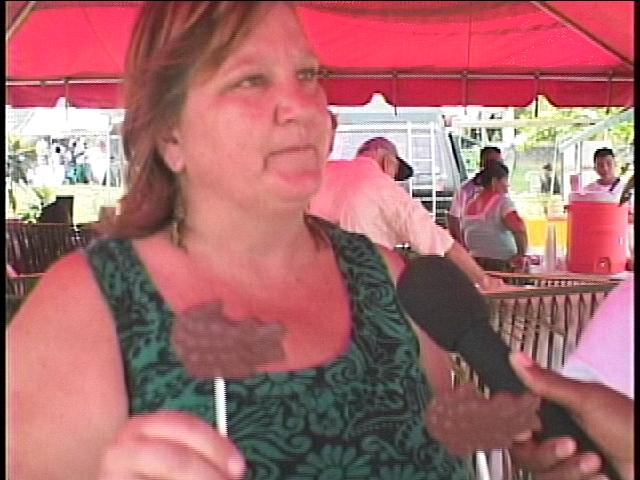
Judi Puryear, Owner, Cotton Tree Chocolates
judy puryear
“Well these are croc pops or choc crocs and they are molded crocodiles made from chocolate. It’s a hundred percent pure Belizean chocolate and the proceeds go to benefit ACES Crocodile Sanctuary here in Toledo and it’s just a fun new thing.”
From chocolate treats for kids to premium spirits for wine connoisseurs Toledo’s Cacao Fest brings together people the world over to celebrate the jewel of the ancient Maya. Reporting for News Five, I am Isani Cayetano.

Do I see $10 written on the bags of Chocolate there, perhaps for tourists only?
Sadly, it looks like the Belizeans are selling Belize by the pound to the Americans.
When are the Belizeans going to start making their own Chocolates, and selling them, Too?
dah true mady, i am tired a dem american or other aliens come in our country and get rich off fi we,land, oil,trees, and now we chocolate!! HMMM
no be surprise when the hear di price da US dollars, same thing with land, lot a time you hear land for sale in US dollars,digusting, I don’t know why these people no go back to dem country, I di tell you.
dat dah we make we black people get vex and mad,
right now I am a mad black woman.