The silent killer diabetes takes its toll on Belize
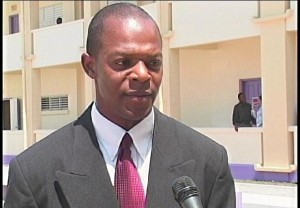
Dr. Colin Nicholas
It is estimated that as many as thirteen point one percent of Belizeans over twenty years old are affected by diabetes and that puts Belize as the country with the highest diabetes related deaths in the Caribbean. Still, it’s a growing health problem often called the silent killer because many who have it, do not know they do. News Five’ Delahnie Bain caught up with the latest initiative from the Ministry of Health to bring to the fore this national problem.
Delahnie Bain, Reporting
What is the leading cause of death in Belize? If you assume the answer is violent crimes, well the country’s number one killer is actually diabetes. This is the type of information that the Ministry of Health is hoping to publicize in a two day workshop.
Dr. Colin Nicholas, Nat’l Focal Point for Non-Communicable Diseases
“The workshop focuses on the magnitude of the problem that we have with diabetes in Belize, the number of hospitalizations that we have, the number of people dying of diabetes, the number of diabetes cases that we can prevent and the way that the ministry is responding to the problem as it is presented to us by the information, that data that we have gathered. What we want is a very informed public about the magnitude of this problem that we’re facing and hoping that at the community level there is a lot of work done or awareness that is built so that we can try to prevent diabetes but also in terms of the health care system—the facilities, the hospitals—that we can also look at the quality of care that we have been provided all along and how we can improve the quality of services to the public.”
While the workshop will run for two days, the issues of diabetes and other non-communicable diseases are ongoing problems. So the ministry also launched today the National Commission on Non-Communicable Diseases to work toward reducing the number of incidences of the illnesses.
Dr. Michael Pitts, Chair, Nat’l Comm. on Non-Communicable Diseases
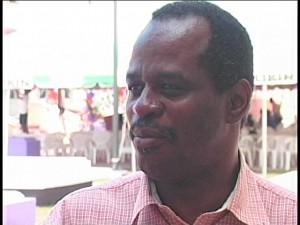
Dr. Michael Pitts
“We understand the impact of chronic non-communicable diseases in the population and we believe that if we can address this in a very comprehensive way, we can improve the quality of life for people first and fore mostly, but the other dividend is that we reduce the cost for healthcare.”
Pablo Marin, Minister of Health
“We have non-communicable diseases that are affecting the country like diabetes, hypertension, cancer and most of it is preventable. It’s the way we eat, we don’t do exercise, a lot of people are obese. So it is what we eat especially and this commission will see what the government can do with the rest of the stakeholders to work with the system.”
The commission is also tasked with moving forward to tackle smoking in public places.
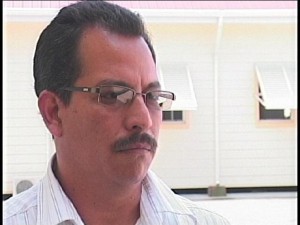
Pablo Marin
Pablo Marin
“This week I’m going to take to Cabinet a Cabinet paper referring that we stop smoking in public places that is affecting in cancer and the second hand breathers that are getting affecting. So it’s not only the ones that smoke, but the ones around are affected also. So by doing these kinds of things we will be preventing more illness.”
Dr. Michael Pitts
“We have been merely treating the person when they come in with the high blood pressure or the headache that was incidental to the high blood pressure or the abscess of the leg and we have to amputate or the diminished sight and it leads to blindness. So we are saying no, let’s take stock and get everything in order and look at all the major players that can contribute sensibly to this approach and then take some concrete steps.”
According to Chairman Doctor Michael Pitts, the commission includes members of numerous sectors because they intend to tackle non-communicable diseases from every possible angle.
Dr. Michael Pitts
“Certainly you have medical doctors, you have people out of the agricultural sector, you have people from sports, you have people from the diabetic association, the kidney association, cancer society, all players, NHI; all of them coming together to chart a course to help deal with these problem. It’s very, very, very broad. So you have policy, you have legislation, you have protocols in terms of treatment and management and pushing the whole health education about wellness, wellness, and diagnosing and managing.”
At the end of the day it all comes back to the old saying: ‘prevention is better than cure”. Delahnie Bain for News Five.

Diabetes is known as the silent killer, because symptoms are easier to ignore and it isn’t an issue that gets a lot of attention in the Belize media. However, it can be deadly and should be given the attention that it deserves.
The people of Belize need to be educated about healthy living, and diabetes. They need to know what types of diabetes are out there and how it can be prevented or treated. While some diabetes is mainly a genetic issue, others may be characterized as more of a lifestyle disease; in this case diet is the main risk factor.
A diabetes test can easily be done at in your doctor office if you suspect that you have it, Your blood sugar numbers will be the most conclusive data used. Check your family history, but don’t forget that sometimes even without a family history of diabetes people can still be suffering from diabetes.
I agree with the above comment, I am diabetic and found out about it a year ago, i do know it runs in the family so one need to do yearly or semi-anual checkups, eat healty foods and excersise, there are lots of fruits in belize, we can also walk and soak up the sun, enjoy the scenery the country has and at the same time taking care of our health. Ask your doctor to do a A1C test to see where your glucose level is at, mine was at 10 and within 6mths it went to 6.1, serious changes in eating habits help me attained my goal and is very doable.