Healthy Living recalls the facts about Alzheimer
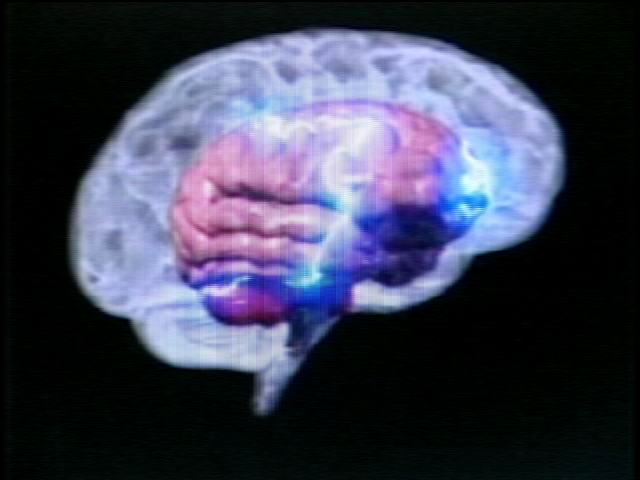 There are many illnesses that come with aging. One area that is often overlooked is the mental health of the elderly. This week’s healthy living looks at Alzheimer, a disease that is progressive and a degenerative disorder.
Marleni Cuellar reporting
Most people are in tuned to the physical changes of the body with ever year that goes by but one of the harder realities to come to grips with is the effect of aging on our mental capacity. One disease, common among elderly persons, destroys brain cells faster than the aging process itself.
Andrea Usher, Gerontologist, Help Age Belmopan Volunteer
“Alzheimer’s is the most common cause of dementia: Dementia being the loss of intellectual functioning. That affects a person’s ability to think to reason to remember. Alzheimer’s is a problem with the brain the brain cells start dying and they’re not replaced. The brain is actually shrinking—the irreversible—it’s progressive and its degenerative disease. Meaning it’ll only get worse.”
Andrea Usher is a volunteer with Help Age Belmopan and a practicing gerontologist in Belize. Gerontology is one of the newer forms of science that looks at the physical and social aspects of aging. As Andrea explains while this disease may look like a regular part of the aging process it is significantly different.
Andrea Usher
“Their normal as people get older to lose some of their memory and be forgetful but with Alzheimer’s the difference is that they won’t remember. They don’t remember names they get confused finding words initially it are very hard. A lot of family members won’t recognize it initially until it progresses a little bit more.”
The causes of Alzheimer’s disease are unknown but there is definitive link to aging and family history. In rare circumstance s of “early onset Alzheimer’s” people in their 30’s may be affected but the disease generally affects persons over the age of 65. Not to be mistaken with what is considered normal aging there are 10 distinct symptoms or warning signs of Alzheimer’s.
Andrea Usher
andrea usher
“The first warning sign is loss of memory. With normal aging a person would forget but with cues they may remember later. A person with Alzheimer’s disease will not remember they will not remember even if it’s someone’s name or an incident that happened yesterday. They will not remember. The second would be difficulty in performing familiar tasks. 06 it could be a simple thing like cooking rice something they have been doing for many years almost second nature. Person with normal aging may stumble a little but will get it looking around and stuff but a person with Alzheimer’s will maybe have the rice and the pot but don’t know what to do. They just can’t put it together. The third would be problem with finding words and also problems with making decisions. It causes a lot of frustration for them because it’s almost like they know what to say but they can’t bring it out and they will not remember. Disorientation of place and time is another warning sign. They could be in a familiar neighborhood been living there for the past 20 years and they could step out and be completely lost in that neighborhood and cannot find their way home.”
The person would also exhibit poor or decreased judgment perhaps making unsafe or unwise decisions. Their ability to utilize their cognitive skills or abstract thinking becomes difficult. They will also very frequently misplace things and may put items in unusual places.
Andrea Usher
“The eight sign would be changes in mood. A person could be very happy very joyous and go to being very sad and depressed or tearful in another instance and that would be for no apparent reason. The ninth sign would be changes in personality. That’s one that’s seen most often. They start hallucinating being very fearful of family members, having suspicions agitated at that time it’s very difficult to calm them down. There are things you can work on to keep them calm. The tenth sign would be loss of interest in hobbies and things that they usually do; they would just lose interest and withdraw.”
As caregivers to elderly, Help Age works with persons with Alzheimer’s frequently. Sharon Polack explains how their approach changes.
Sharon Polack, Executive Director, Help Age Belize
“It takes a lot longer to deal with a person who has Alzheimer’s and the care person get frustrated. They have to know beforehand that this is going to take long. And they need to ask permission. They’ll go into the home and say ‘we’ve come to give you a bath. Is it ok if we take you into the bathroom now or are you ready to take your bath now” it’s like you have to give them their dignity they are not a child to be punished. “You need to give you bath now you’re dirty…” that doesn’t work with a person its Alzheimer’s.”
There is no cure for this disease and given the extended life expectancy some people may live with Alzheimer’s for the remaining 10 – 20 years of their life. Treatments available only suppress the progression of the disease for a short period of time. Nonetheless an early diagnosis is very important.
Andrea Usher
“It’s very, very important for early diagnosis if you suspect that things just aren’t right then it’s very key to get a diagnosis. For the patient to understand what is happening to them. It’s very confusing very scary for the older person they are aware that there is a problem.”
The best advice to caregivers is to exercise patience and use distractions instead of arguing. Other tips include.
Andrea Usher
“Speak in a soft voice. When speaking to them its good if you can face them directly and lay a hand on the shoulder just to keep their attention. Speak in short sentence and not a lot of work if you need to repeat. Try to repeat in the same words as before. Use gestures. Persons with Alzheimer’s disease are very keen on nonverbal communication. So use a lot of gestures.”
Sharon Polack
“Comforting to the caregiver that when you go in you are also comforting the caregiver, and a lot of people phone me and when I tell them , ‘ Oh am so glad ah called you , ah thought that it was something I was doing. Ah said .be gentle constantly give them their dignity and just realize this is the disease, it is not your mother or father speaking to you. This is the disease speaking to you”
Use BEEP Disinfectant Spray on surfaces to prevent the spread of the contagious H1N1 or “swine flu” virus. “BEEP—want Value? Smart choice!
