Managing pain associated with cancer
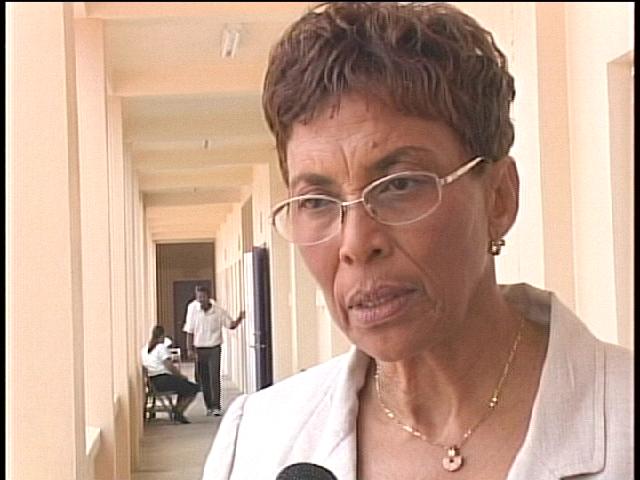
laura longsworth
Cancer is a disease that is generally accompanied by a lot of pain and today the persons that spend the most time with patients in that situation, the nurses, began a two-day session in pain management and palliative care. The symposium got underway this morning at the ITVET facilities on Freetown Road. It is organized by the Cancer Society but involves treatment of any patient that suffers chronic pains. The nurses are discussing issues such as pain management and healthcare strategies and the general scientific basis for pain.
Laura Longsworth, President, Bz Cancer Society
“We know that this is an area that needs to be improved, our patients especially, calls we get from the cancer society. People call in for information, they call in about pain. Issues associated with quality of life issues; and so we thought that this would be a great time to address this particular need by targeting our health professionals particularly, since nurses are with the patients twenty-four hours daily. During the next two days they’ll be looking at issues associated with pain management and issues associated with things, strategies, healthcare strategies that we can use to improve the quality of life for those not only with cancer, with chronic diseases. You have people with chronic pain from osteoarthritis, rheumatoid arthritis, you have diabetic patients with pain, you have patients with kidney failure, who need palliative care. They need somebody to understand what they need, what kind of care, special care and information they need to make their life a little easier.”
Mary-Joe Letizia, Faculty member, School of Nursing in Chicago
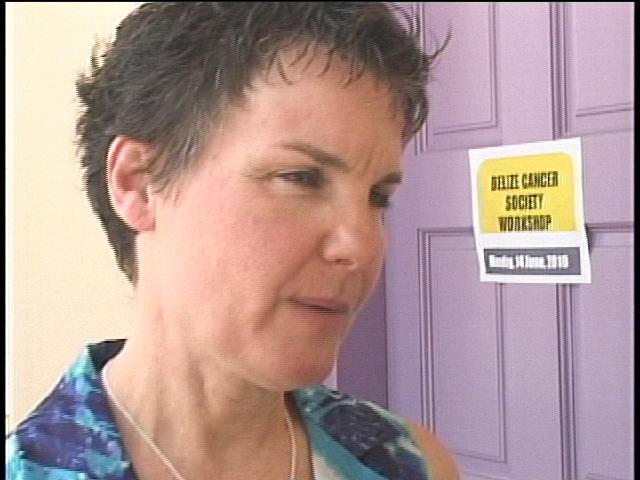
mary-joe letizia
“When I put up that slide that pain is weakness leaving the body its to indicate that that is absolutely not the case because that slide indicates what patients need to do is become stronger and to be more stoic; but in fact most of the morning part of my talk deals with, the idea that there are so many consequences from pain, that are not helpful for the patient, they’re unable to eat, there are unable to sleep, they don’t want to be social, they are so uncomfortable that they can’ get out of bed. And not getting out of bed then creates a whole lot of other problems. We know when patients are immobile; they can get pneumonia and infections. Actually, the intention of the talk is to really look at the scientific basis for pain and to have nurses think more carefully on how to be more strategic in getting better pain management, so that patients quality of life is better.”
Marion Ali
“Mind over matter, manage the pain?”
Mary-Joe Letizia
“I don’t believe that, certainly there are situations, for example, with nerve pain, where an aggressive procedure may need to be done. A nerve block or what we call an epidural catheter that can actually be influencing the flow of the spinal cord. Actually, the literature shows us and the clinical practice shows us, that in most instances, pain is able to be controlled. People are afraid sometimes of increasing the dose of medications; but part of my talk that I just gave right now was that we don’t need to be afraid of that if we do it scientifically and logically; and we actually work very, very hard to have it be that patients don’t experience this kind of distress and suffering.”
Laura Longsworth
“We need to understand the physiology of pain; we need to understand what pain medications are suitable at different levels of pain. We need to understand how to assess a patients’ level of pain so you can know, do I give Tylenol or is this patient needing something stronger? And so its not, scientific information is there, what we need to address is the attitude, the prevailing attitude we have towards patients and towards pain management and using the medications that are available. For instance we had a situation recently, where a patient was hospitalized, and she was told, you can’t go home with their medications; they’re too strong for you. All we need to do is educate our patients and they’ll know what to do and give then the support that they need.”
The symposium ends tomorrow.
