Healthy Living explores psychosocial effects of Hurricane Richard
 A thousand families were affected by Hurricane Richard. Some of the adults may be able to cope with the emotional toll, but for children, the impact may be lasting and that requires special attention. Healthy living this week has sound advice on how to treat post disaster depression.
Joyce McFadzen, Hurricane Victim (File: October 27th, 2010)
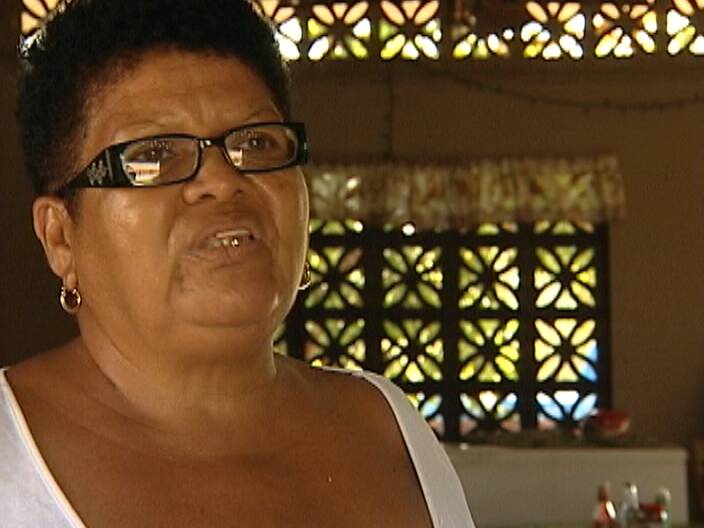
joyce mcfadzen
“The whole ah dis area broke down and I start pray and seh why we stay in and my daughter call and ih seh ma you alright. And I seh no. I no alright and I start cry. My husband seh just stay calm. And I seh ih finish deh. I said thank you Jesus and ih start again and I di peep through the hole and everything rock apart and I seh now its all over. This noh wah last.”
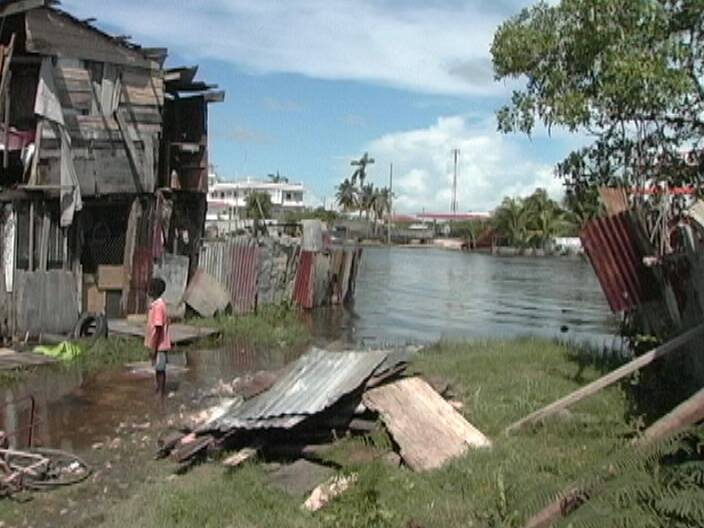 Marleni Cuellar, Reporting
There are hundreds of gripping stories from the victims of Hurricane Richard. Each person able to account their own tale of the immense fear of weathering the storm and great loss experienced in the aftermath. The damage sustained by hurricanes extend beyond physical damage, as explained by Psychiatric Nurse Practitioner, Eleanor Bennett, dealing with the emotional aftermath is a process that has to be considered as well.
Nurse Eleanor Bennett, Psychiatric Nurse Practitioner
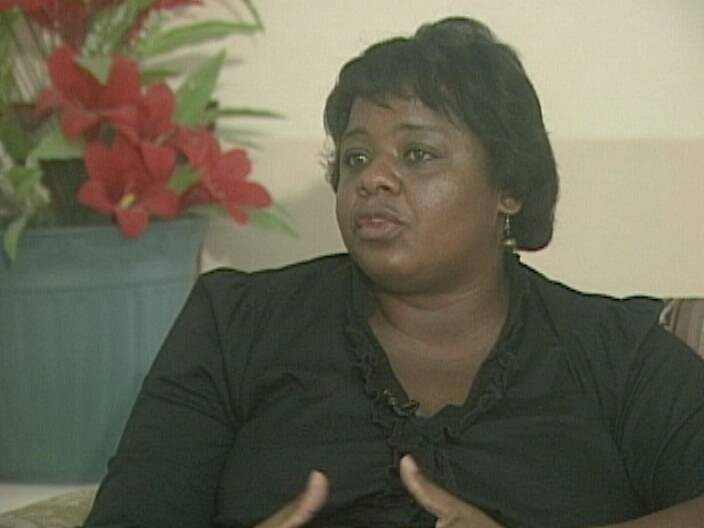
Eleanor bennett
“In situation like those we expect that people will have a very strong reaction. It’s our nature so we consider these reactions: normal reactions to an abnormal situation. It’s affected because it’s a cause of acute stress. So we expect that they will be grieving for, there’ll be grief reactions if there’s reaction if there’s like I said loss of life, people have to grieve for things they lose. Some of the normal reaction we expect would be crying, some people might not be able to sleep, they can’t eat they’re anxious and nervous. But all of that is normal within a certain period if it continues let’s say more than three to four weeks then it’s time for additional intervention.”
 The severity of the emotions may be different for individuals based on amount of damage, closeness to the effects of the storm and support available to them. Relieving the basic needs is important and is the first step in psychological first aid.
Nurse Eleanor Bennett
“If you get a severe emotional stress and it disrupts your life. For us the reaction is to take care of the immediate disruption to ease your psychological stress and that is taking care of your basic needs, getting connected with your families, getting your kids back into school, starting your routine all over. Those are the things we advocate for first. What we know from disaster reaction is that this change and its transient really for a lot of people there’s only a few people who after a while might need additional psychiatric intervention. We do know that for the majority of people the reaction lasts maybe a couple of weeks and then people are able to recover psychologically and function.”
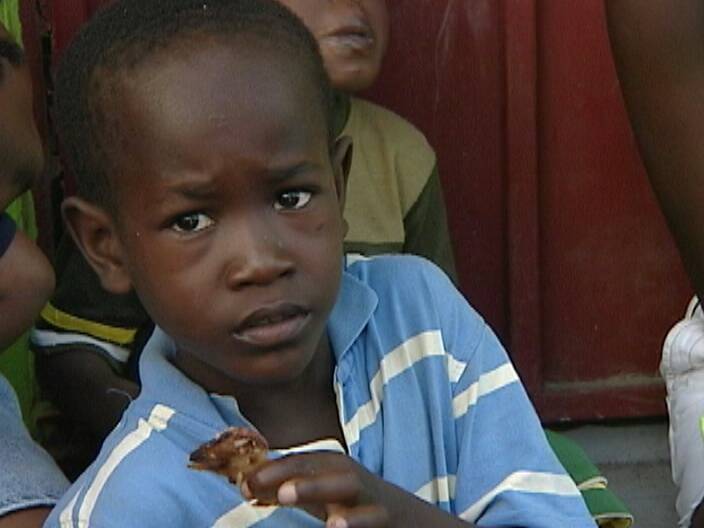
But one group most vulnerable after a storm is children.
Jose Sanchez (File: October 30th, 2010)
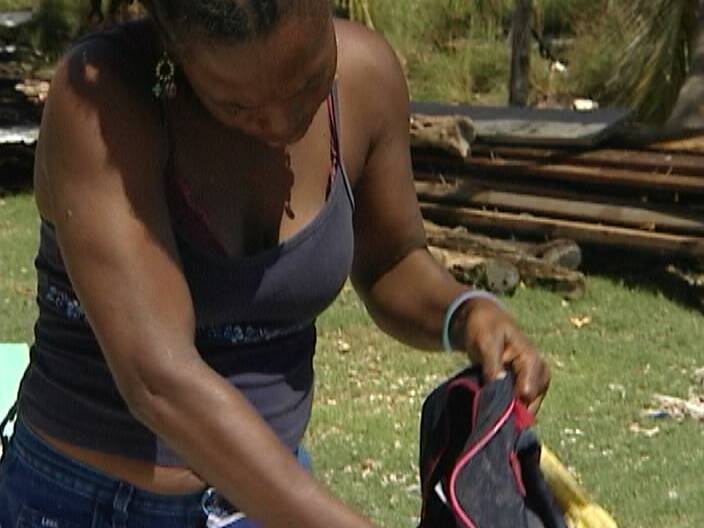
emogene trapp
“How about school?”
Emogene Trapp
“Mi baby, everything destroy, school bag, everything/ Everything destroy here for mi baby. So he cant go dah school right now.”
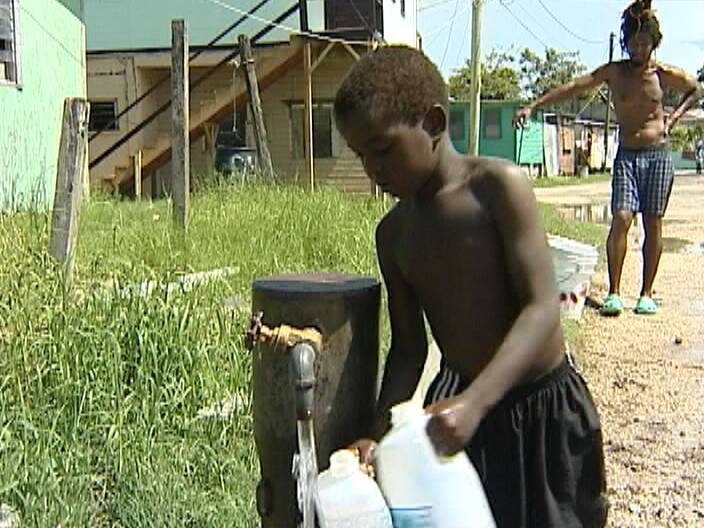
For most children, it was their first hurricane experience and first hand exposure to nature’s wrath. Nurse Bennett explains how it can be an even more traumatic event for the young than we realize and the associated effects.
 Nurse Eleanor Bennett
“They don’t understand that this breeze can turn into a strong wind that can throw things all over the place and it was dark outside and it’s really scary for them they probably just heard things knocking all over the place. Things they don’t understand. If you have young kids they will have what we call regressive behaviors. That means that some milestone for example they have already been able to control their bodily functions and then you notice that their kids start wetting the bed again. So those are regressive behaviors and those are all anxious reactions that children will have. You will have some children that will start to act out, a total change in personality maybe they become anxious they don’t want to sit still and parents need to realize that because kids can’t communicate the way we can it comes out the way they behave.”
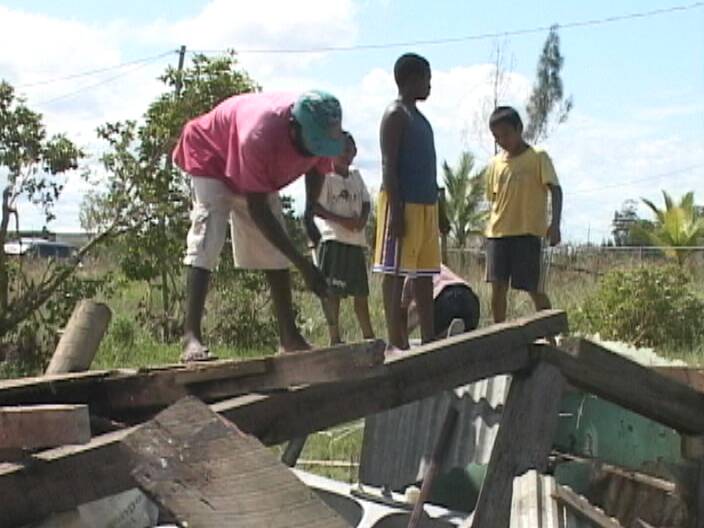 Nurse Bennett emphasizes to parents to exercise caution and not to force children to talk about it. Teachers would also be able to recognize changed behaviors in students as well and should exercise similar patience. Most importantly, limiting exposure to images of the storm and returning them to a routine as soon as possible should be the priority.
Nurse Eleanor Bennett
“So it’s very confusing for a lot of them and their emotions are even more intense so for them it’s important that they don’t re-experience. So don’t have them watching the same images over and over again. Get children back into their routines. The advice is to get them back into their routine and exercise a lot of patience absolutely a lot of patience. If it persists over a period of four weeks then I would advise them to seek some kind of counseling. The child might need some sort of support.”
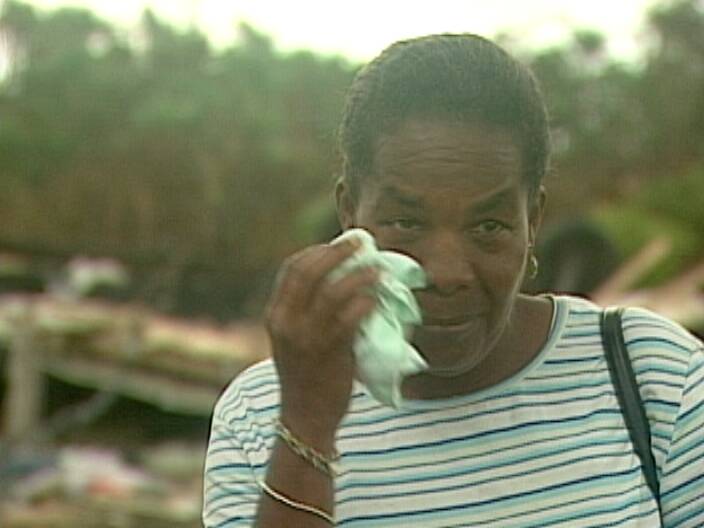 Even in the emotional aftermath the lesson learned should be prevention as a way to reduce the stress. There are situations where some victims may require assistance of a mental health professional. Common conditions include Post-traumatic Stress & Anxiety Disorder and Depression.
Nurse Eleanor Bennett
“Look out for signs of depression where they are crying they feel very sad, they cry a lot and they can’t sleep sometimes they get suicidal thoughts. They can look out for signs of anxiety where they can’t sit still and they always have a feeling that something bad is going to happen. So those three disorders that we tend to look out for because studies show that there is a small rise in the incidents of these disorders after a storm or a hurricane.”
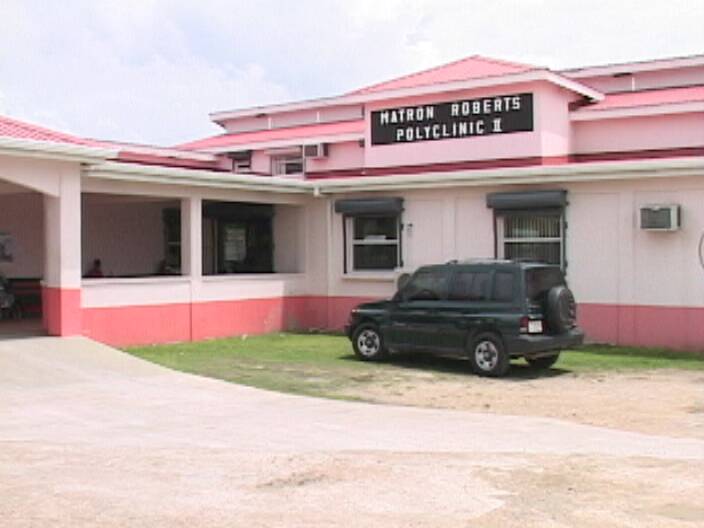 If you are experiencing any of these emotions, or know someone who may be showing signs of either, visit your nearest public clinic or the counseling center.

I would like to contact Eleanor Davis Bennett to have her permission to use a questionary she has used on her research . Could I have her e mail address? Thanks a lot.